

Contents
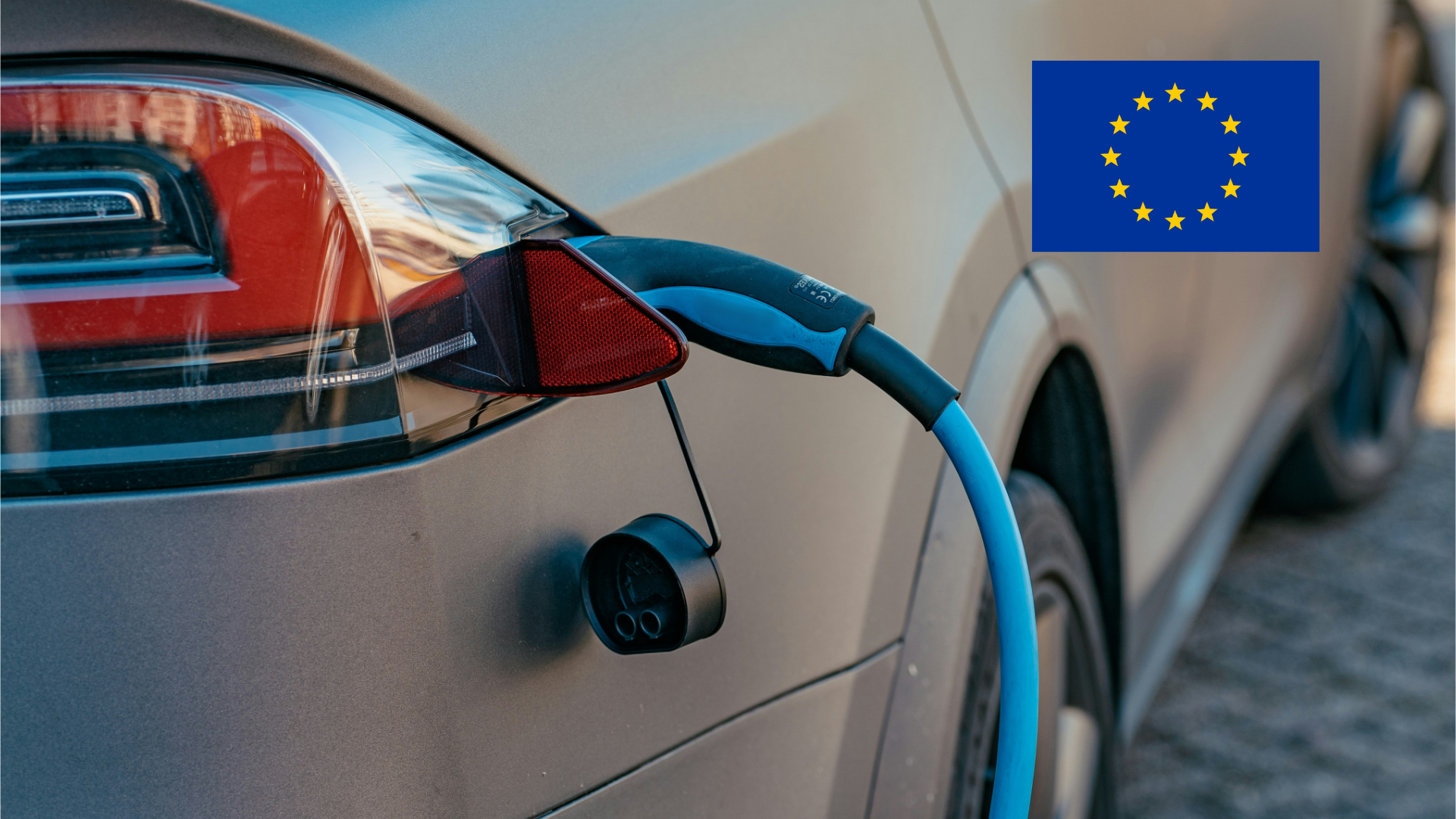
Under the EU–Indonesia Comprehensive Economic Partnership Agreement (CEPA), signed on 21 November 2026, around 80 per cent of customs duties on trade in goods are set to be eliminated upon entry into force, rising to up to 96 per cent after five years.
Services and digital trade
Anyone who maintains the software of a machine from Germany for a customer in Indonesia is providing a cross-border service. In the sectors opened up for this purpose, Indonesia will not be permitted to require the provider to have its own branch in the country. The extent of access depends on the sector and on how the service is provided.
For digital transactions, the CEPA provides for the recognition of electronic contracts and signatures. Data may only be required to be stored in Indonesia if there are objective grounds for doing so.
Customs clearance and technical inspections
Exporters should be able to obtain a binding advance ruling prior to dispatch, for example on the tariff heading under which their goods fall. Electronic procedures and targeted checks on high-risk consignments are intended to speed up clearance.
Simplifications are also planned for product inspections. If testing procedures are mutually recognised, manufacturers of machinery and electrical goods, for example, can save the cost of a second test. Both sides are to give sufficient advance notice of changes to regulations to allow businesses to adapt.
Indonesia’s importance for German exporters
In 2025, Germany supplied goods worth 2.7 billion euros to Indonesia. Machinery accounted for the largest share, at around 30 per cent. A further 23 per cent was accounted for by chemical products, including pharmaceuticals.
The factors that have so far hampered market access are particularly evident in public procurement. In such cases, a certain proportion of value added may be required to originate in Indonesia. Added to this are multi-stage approval procedures. How much changes for a supplier therefore also depends on the procurement and authorisation rules applicable to their sector.
Provisions by sector
| Sector | Duty-free upon entry into force | Tariff reduction over five years |
|---|---|---|
| Medical technology | Ventilators and endoscopes (previously 5%) | Catheters |
| Vehicles | Many spare parts (previously 10%) | Fully assembled passenger cars (from 50% to 0%) |
| Mining and metal processing | Parts for industrial furnaces and rolling mills | Drilling machine parts |
Planned tariff reductions for selected goods
- Sector
- Medical technology
- Duty-free upon entry into force
- Ventilators and endoscopes (previously 5%)
- Tariff reduction over five years
- Catheters
- Sector
- Vehicles
- Duty-free upon entry into force
- Many spare parts (previously 10%)
- Tariff reduction over five years
- Fully assembled passenger cars (from 50% to 0%)
- Sector
- Mining and metal processing
- Duty-free upon entry into force
- Parts for industrial furnaces and rolling mills
- Tariff reduction over five years
- Drilling machine parts
Medical technology and pharmaceuticals
Indonesia imports a large proportion of its complex medical technology. The five per cent import duty on ventilators and endoscopes is to be abolished immediately, whilst the duty on catheters is set to be phased out over five years.
Pharmaceutical companies may also benefit from extended patent terms if regulatory approval is delayed.
Obstacles remain in relation to tenders issued by public hospitals. For reasons of public health or safety, contracting authorities may continue to require a local value-added component.
Agricultural products and foodstuffs
The current five per cent import duty on milk powder and cream cheese is to be abolished.
For wine and spirits, the available quantity determines the duty rate. Within the annual quotas, a five per cent rate applies; beyond these quotas, the 90 per cent rate continues to apply. The order in which customs declarations are submitted will determine the allocation.
Import licences for foodstuffs remain mandatory. Indonesia is to publish the conditions online and provide written reasons for any rejections. The agreement also protects 221 geographical indications of origin from the EU, including Lübeck marzipan.
Vehicles and spare parts
For fully assembled passenger cars, which were previously subject to a 50 per cent tariff, the plan is to reduce this to zero over five years. For many spare parts, the 10 per cent tariff is set to be abolished as soon as the agreement comes into force.
Proof of origin may entail additional administrative burden if each part has to be checked individually. With regard to vehicle registration, Indonesia is set to fully recognise UN type-approvals by 2033. It will still be possible to carry out its own tests, for example to assess a model’s suitability for a tropical climate.
Energy technology and electricity grids
The planned grid expansion makes Indonesia an attractive market for equipment suppliers. The state-owned electricity supplier PLN is planning around 48,000 kilometres of additional transmission lines. Among other things, the CEPA provides for the reduction of customs duties on transformers from five per cent and on power converters from ten per cent to zero.
European operators of energy plants are to be granted the same conditions as Indonesian companies when it comes to grid connection and the granting of licences. The agreement does not specify how quickly a licence must be granted.
Mining and Metal Processing
In the case of mining machinery, the phasing out of customs duties depends on the type of equipment. A five-year transition period is envisaged for drilling machine parts. Parts for industrial furnaces and rolling mills, on the other hand, are to become duty-free as soon as the agreement comes into force.
Those installing or maintaining plant in Indonesia should find it easier to temporarily second service personnel for this purpose.
For investors, the accompanying investment protection agreement provides for compensation at fair market value in the event of expropriation. It remains to be seen how Indonesia’s export bans on nickel and bauxite are compatible with the CEPA.
Source: GTAI (in German)